Over three and a half decades of working in people and business growth, I have watched the pressure to acquire the right talent intensify, even as hiring methods have evolved dramatically and often claimed to be more effective.
From paper-based recruitment to AI-driven platforms, from demand for manual and routine labour to the rise of humanoid automation, the workplace’s technological landscape is unrecognisable compared to a generation ago. Yet amid this whirlwind of digital disruption, one fundamental need remains constant: the ability to acquire the right talent, on schedule.
Talent acquisition is not merely an HR function; it is the lifeblood of organizational longevity. Despite its critical nature, it remains a persistent source of anxiety for CEOs, Boards, and CXOs alike.
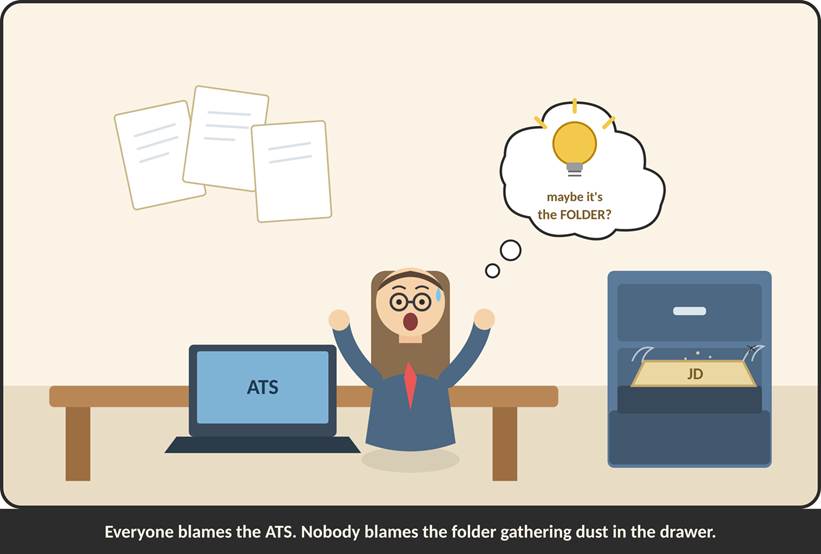
Leaders often look for the solution in better Applicant tracking systems (ATS) or more aggressive headhunting firms. In my experience, however, the root cause of systemic hiring failure usually lies in the most neglected, static, and unloved document in the corporate arsenal: the Job Description (JD).
The Cost of the “Misfit”
The modern corporate environment is unforgiving. When a new hire proves to be a misfit, someone who fails to meet the expectations of the role or the culture, the fallout is severe. It creates a ripple effect of reputational cost for the organization, drains resources, and stalls growth, while inflicting immense psychological and professional strain on the individual involved.
Illustrative example: A mid-sized manufacturing company that filled a critical plant-operations leadership role in under six weeks, an internal record for speed. Within four months, the hire had exited. The candidate had been evaluated against a JD written three years earlier, for a vastly different phase of the business. The interview panel had assessed technical competence thoroughly but never assessed for the change-management resilience the role now demanded. The direct cost of the re-hire, recruitment fees, lost productivity, and delayed capacity expansion, ran into several months of the role’s fully loaded salary. The technical fit had been near perfect. The role, as it existed, had never been defined.
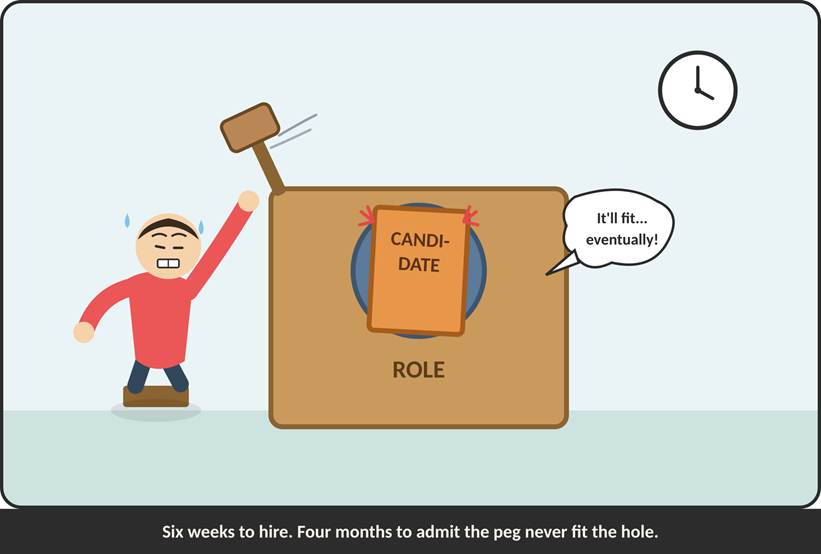
Why does this happen so frequently? My observation over decades in the field is that the breakdown rarely occurs at the final interview; it happens long before the first resume is screened, because the JD is outdated, vague, or fundamentally disconnected from the reality of the role.
The Broken Triad: Why Hiring Processes Fail
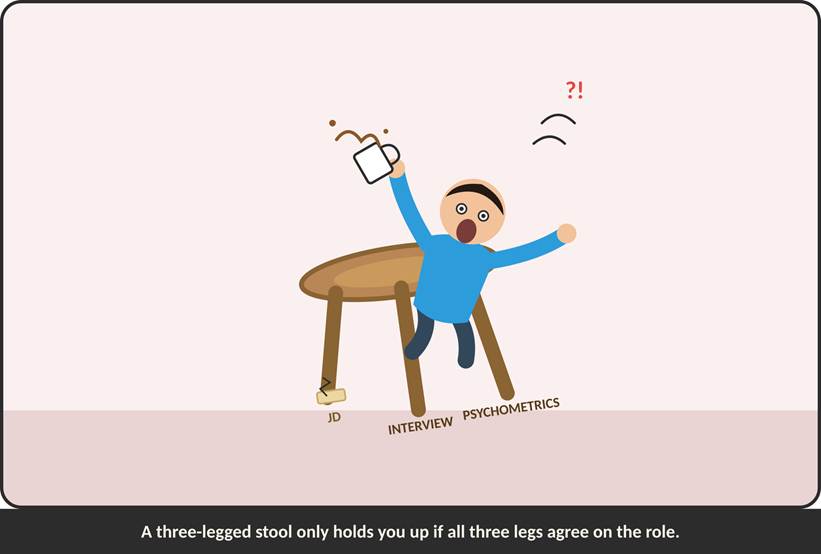
To solve the hiring crisis, organizations must first address what I call the “Broken Triad”, the misalignment of three critical components:
- The Outdated Job Description. Many organizations rely on template-based JDs written years earlier. These fail to reflect current business strategy, the behavioural competencies the modern team needs, or how the company’s culture has evolved.
- The Disconnected Interview Process. Interviewers frequently have not internalized the JD. They rely on intuition or generic questions rather than assessing candidates against the role’s documented requirements.
- Misaligned Psychometrics. Companies invest heavily in sophisticated psychometric tools, yet these are often left “out of the box,” uncalibrated to the specific requirements identified in the JD, rendering the resulting data irrelevant or, worse, misleading.
Transforming the JD: A Strategic Blueprint
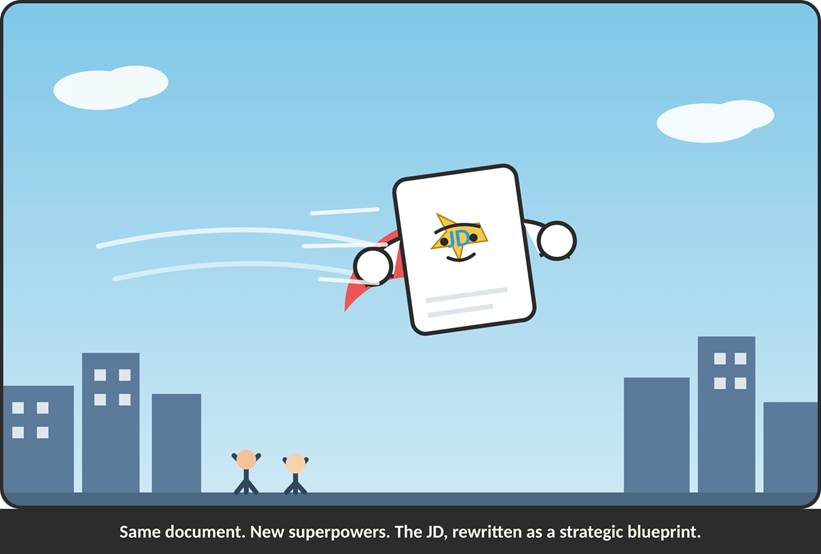
If the JD is the anchor of the hiring process, it must be sharpened into an instrument of precision. The following practices, I can recommend will turn the JD from a static document into a dynamic roadmap for success:
- Define the latest technical skills. HR should facilitate a structured discussion among the hiring manager, department heads, and connected functions to pinpoint the core technical competencies the role truly requires, not merely the ones inherited from the last posting. Please do not forget to consider the AI/ML requirements for the role.
- Define the behavioural DNA. Go beyond technical skills to identify the personality traits the role compulsorily demands e.g., adaptability, resilience, or a high-octane drive.
- Define the cultural DNA. Evolved organizations codify their core principles and test for them explicitly during interviews. For many, this is non-negotiable, and the JD must embody it.
- Align the rubrics. Every interview question should map directly back to the JD requirement. A question that does not assess a listed skill or behaviour should be flagged as an outlier and should never be allowed at the cost of the core competencies.
- Calibrate psychometrics. Weight testing tools against the JD’s core competencies. Do not settle for a generic “high-potential” score; seek the specific success profile the role demands.
- Run a “Success-Profile” review. Before posting the role, have the hiring manager sit with the HR partner, team lead, and answer one question: “If this person succeeds, what will they have done in their first 90 days?” Use the answer to rewrite the JD.
- Institute periodic review. Once the JD exercise is complete, it is rarely revisited. HR should own a periodic review cycle to prevent this complacency from setting back in.
The ROI of Alignment
The business case for this rigor is compelling. When an organization moves from “filling seats” to “hiring for alignment,” the metrics shift dramatically. Across engagements where job descriptions, interview rubrics, and psychometric frameworks have been realigned in tandem, we have observed success rates in hiring and long-term retention improve by as much as 66%.
Illustrative example: A technology services firm had been losing a third of its client-facing hires within the first year. A review found that its JDs emphasized certifications and tools, while the actual driver of attrition was an inability to manage ambiguous client demands, a trait no interview question or assessment had ever tested for. After rebuilding the JD around a defined behavioural and cultural profile, and recalibrating the interview rubric and psychometric tool accordingly, first-year attrition in the role fell by more than half within two hiring cycles.
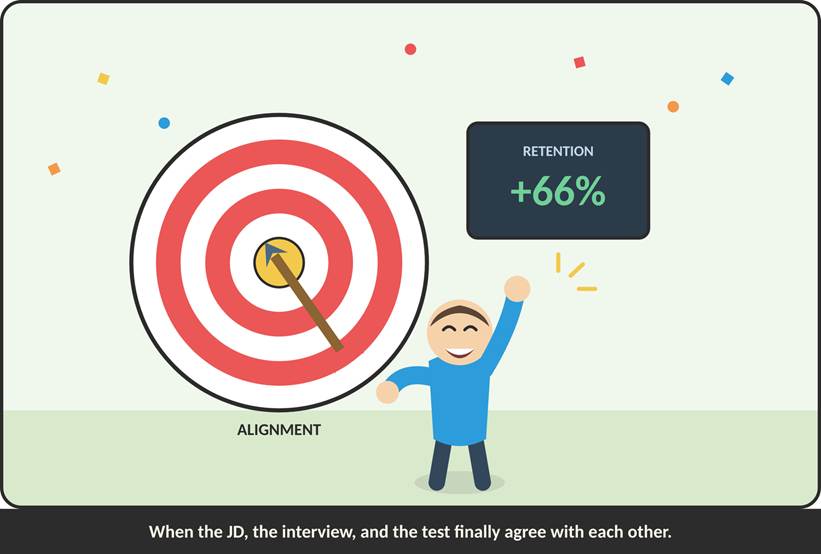
This is not merely about efficiency; it is about human and organizational dignity. When the JD is set right, the candidate enters the role with eyes wide open, and the organization recruits with a clear compass. It removes the guesswork from the most important investment any company makes: its people.
Chandrajit Pati
CEO and Founder: Committed People HR Advisory


Leave a Reply